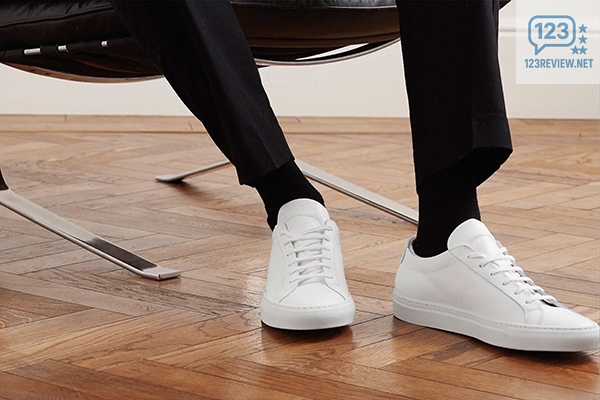
When I first moved to New York, it felt like the city itself was a runway. Every subway car looked like an Instagram feed in motion — sneakers that had dropped last week, jackets from pop-up collabs, vintage pieces styled like they were hand-picked by algorithms. I wanted to keep up. Every season, I’d buy something new that felt current, only to feel dated a few months later. My closet grew louder, my wallet thinner, and my style… fuzzier.
After a few years of this cycle, I stopped. Not all at once, but gradually, after realizing how exhausting and expensive it was to dress for someone else’s timeline. This is what happened when I stepped off the trend treadmill — and how I found a sense of personal style that actually feels like me.
First Impressions: The Pressure to Belong
In New York, fashion isn’t just about clothes — it’s language. It signals what you read, what you value, which corners of the city you belong to. I learned that quickly. A pair of chunky sneakers could tell someone you were plugged into the culture; a plain white tee might suggest you didn’t care — or that you cared too much in a minimalist way.
Back then, I was decoding outfits the way people study subway maps. I’d scroll lookbooks, street shots, and “essentials” lists, trying to buy the right signals. But every purchase felt temporary. Once the hype faded, I’d lose interest. It wasn’t self-expression anymore; it was translation.
Real-World Wake-Up: Closet Fatigue
There’s a specific kind of regret that hits when you look at your closet and realize how many things you bought for an imagined version of yourself. Mine was filled with clothes that photographed well but didn’t feel right in real life — cropped jackets that fought my backpack, shoes that looked great but bruised my heels, shirts that needed ironing before every wear.
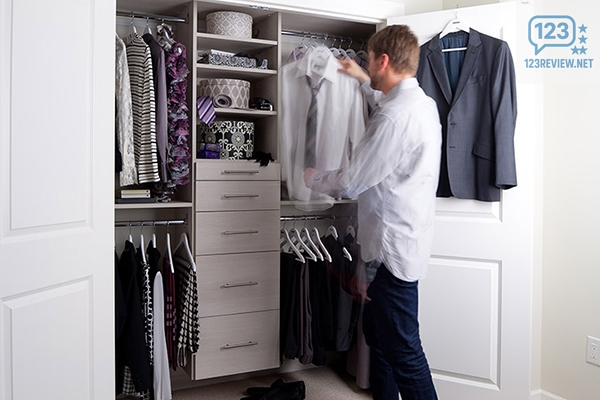
One morning, late for work, I threw on the same jeans and black tee I’d worn the day before. And it felt… perfect. No decision fatigue, no anxiety. Just comfort and familiarity. That’s when it clicked: I didn’t want “new.” I wanted easy.
The Science of Repetition: Why We Like Uniforms
Psychologists call it decision fatigue: the more choices you make in a day, the harder it becomes to make good ones. Steve Jobs and Barack Obama were famous for wearing similar outfits every day for this reason. I’m no tech mogul or president, but I understood the appeal.
Once I started wearing a consistent rotation of clothes that fit well, matched everything, and worked for my routine, I noticed my mornings were calmer. I wasn’t chasing dopamine from new clothes — I was building confidence in familiar ones.
My “uniform” became simple: slim jeans, plain shirts, sneakers, and one jacket that could survive both coffee stains and spring rain.
Sustainability Became Personal
At first, I didn’t stop chasing trends because of sustainability — I stopped because I was tired. But when I looked deeper, I realized how much fast fashion waste I’d contributed to. According to the Ellen MacArthur Foundation, the average garment is worn only seven to ten times before being discarded. I was living that statistic.
Now, I buy less, but better. Natural fabrics, timeless cuts, solid stitching. When I find something that fits perfectly, I buy a spare. It’s not glamorous, but it’s freeing — and it feels more aligned with how I want to live in this city: lighter, slower, more deliberate.
Pros and Cons of Quitting Trends
✅ Pros:
- More money saved, fewer impulse buys
- Easier mornings and less mental clutter
- Clothes that actually last
- Style that feels consistent across seasons
❌ Cons:
- You risk feeling “out of the loop” at first
- Friends might notice you wear the same jacket (a lot)
- It takes time to build confidence in simplicity
The cons fade fast, though. The peace of mind doesn’t.
Value for Money: The True Cost of Timelessness
When I started calculating cost-per-wear — dividing the price of an item by how often I actually used it — things got real. That $200 coat I wore every winter suddenly looked like a better deal than a $40 trend piece I wore twice. It changed how I defined “value.”
Now, I think in terms of longevity per dollar. Would I still like this in two years? Can I fix it instead of replace it? If the answer’s yes, I buy it. If not, I leave it — no matter how good the sale looks.
Finding Style Without Trends
Without trends as a guide, I had to learn what my style actually was. I started noticing patterns in what I reached for naturally — fabrics, colors, fits. I paid attention to how clothes made me feel instead of how they looked on a screen.
Turns out, I like muted colors, structured jackets, and shoes that can walk a few subway stops without complaint. My favorite brands are the ones I barely notice I’m wearing — they let me move through the city without fuss.
Alternatives I’ve Tried
I experimented with secondhand shopping, capsule wardrobes, even clothing swaps with friends. Each one helped me reframe consumption. Buying used made me more patient. Building a capsule taught me how few clothes I actually needed. And swapping added fun back into the process — community instead of competition.
My Verdict
I stopped chasing fashion trends because I realized I wasn’t dressing for myself. I was dressing for an algorithm — a shifting mirror that never stopped moving. Letting go of that has been one of the most practical, liberating things I’ve done for both my budget and my peace of mind.
Now, my style is quiet, intentional, and maybe even a little boring. But it’s mine. It fits the rhythm of New York life — fast outside, calm underneath.
Written and tested by Chi Tran for 123Review.net.
Affiliate links may earn a commission, but opinions are my own.