When I first moved into my New York apartment, the kitchen was barely bigger than a hallway — one counter, two cabinets, and a sink that could barely fit a pan. It forced me to rethink what “enough” meant. Over time, I figured out how to make this tiny space work without feeling like I’m living in a cooking puzzle.
This is how I’ve built a simple, functional kitchen setup that actually makes me want to cook — even on busy weekdays.
First Impressions: Making Space for Cooking
My first rule: only keep what I actually use. That meant donating the bulky blender that gathered dust and replacing a cluttered knife set with just three essentials — a chef’s knife, a paring knife, and a serrated knife. I also swapped mismatched plates for a small set of white ceramics that stack neatly.
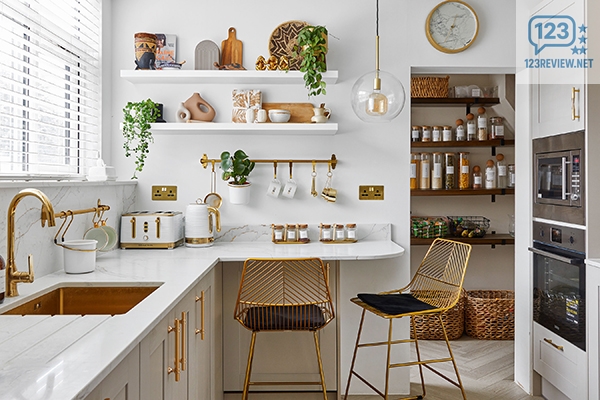
The transformation wasn’t instant, but once I cleared the counter and organized drawers by purpose (one for utensils, one for tools, one for random odds and ends), it started feeling like a place I could cook — not just reheat takeout.
Appliances That Earn Their Space
Space in an NYC kitchen is premium real estate. Every appliance has to justify its footprint. My MVPs:
- Electric kettle — fast, reliable, and perfect for coffee or quick noodles.
- Compact rice cooker — doubles as a slow cooker when I’m feeling patient.
- Toaster oven — the unsung hero of small kitchens. It bakes, reheats, and toasts without turning the whole room into an oven.
No bulky stand mixers or espresso machines here. If something can’t fit in the cabinet or do at least two jobs, it doesn’t stay.
Storage Hacks That Changed Everything
I learned to think vertically. A magnetic knife strip freed up drawer space. Hooks under shelves hold mugs. Even the side of the fridge became storage territory with adhesive racks for spices and paper towels.
Inside the cabinets, I use stackable containers for dry goods — rice, pasta, oats. Labeling them isn’t about aesthetics; it actually helps me keep track of what I have so I don’t buy duplicates.
My favorite discovery: a rolling cart that fits between the fridge and the wall. It’s narrow but holds oils, sauces, and all those pantry items that would otherwise crowd the counter.
Cooking Routine in a Small Space
Cooking here means working efficiently. I prep everything before I turn on the stove — chopping vegetables, measuring ingredients — because counter space is precious.
Cleanup is immediate. I’ve learned that dishes multiply if ignored for even one night. My “clean as I go” rule keeps the space usable and surprisingly calm. A clear sink feels like victory after dinner.
The Aesthetic of Simplicity
My kitchen isn’t minimal in the cold, showroom sense. It’s lived-in. A cutting board stays out because I use it daily. A single potted herb — usually basil — adds some green. I keep the color palette simple: white, wood, and a touch of stainless steel. It feels warm, not sterile.
The beauty of a small setup is that every detail matters. When something breaks or wears out, I replace it with a better version, not a trendier one.
What I’ve Learned
A simple kitchen isn’t about owning less; it’s about owning right. I’ve cooked everything from late-night ramen to weekend brunches here. It’s not about how much space you have, but how well you use it.
If you ever feel overwhelmed by your kitchen, start small — one drawer, one shelf. The satisfaction of having a space that fits your habits is worth every bit of decluttering.
My Verdict
I wouldn’t trade this setup for a bigger kitchen. It’s efficient, easy to maintain, and feels like mine. Every item has earned its place through daily use. Cooking here isn’t just about food — it’s about rhythm, care, and simplicity.
Written and tested by Chi Tran for 123Review.net.
Affiliate links may earn a commission, but opinions are my own.