For a long time, I believed rest had to be earned — like a dessert after a full plate of productivity. Living in New York, it’s easy to fall into that mindset. The city rewards motion. Everyone is busy. Everyone has a side hustle. I found myself constantly doing, achieving, optimizing.
But somewhere along the way, I started to burn out. I’d wake up already tired, spend my days switching between tabs and tasks, and go to sleep feeling like I hadn’t really done anything meaningful. That’s when I started asking a simple but honest question: What does balance actually feel like — not just look like from the outside?
In this piece, I want to share how I’ve slowly found a better rhythm between work and rest — and what that balance looks like in my real, noisy, imperfect life.
First, I Thought Balance Meant Doing It All
For years, I tried to “balance” by cramming more into my schedule. I’d work a full day, meet friends in the evening, then squeeze in a workout or a personal project before bed. Weekends? They were for catching up — laundry, groceries, emails, goals I hadn’t hit during the week.
It looked like balance on paper. I was productive and social and healthy. But inside, I felt stretched thin. I wasn’t doing any of it with real attention or joy.
The first wake-up call came during the pandemic lockdowns. Stripped of my usual busyness, I finally had time to just be. I realized I didn’t know how to rest — not really. I knew how to collapse, to binge a show or doomscroll, but not how to recharge.
What Rest Really Means to Me Now
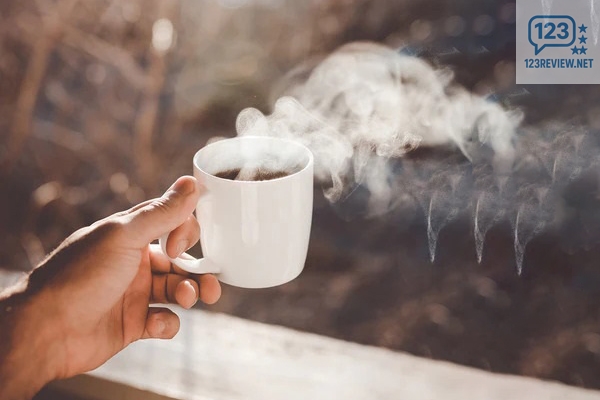
Real rest isn’t zoning out. It’s tuning in.
Now, I treat rest as a practice — something I build into my day intentionally, not just when I’ve “earned” it. That’s taken some unlearning.
For me, rest looks like:
- Waking up without checking my phone right away
- Taking a walk without a podcast
- Reading a book on the fire escape with no guilt
- Saying no to plans just because I need quiet
- Cooking a slow breakfast on Sunday instead of meal-prepping
It’s not glamorous or impressive. But it fills me back up in ways I never expected.
Restructuring My Work Life (Bit by Bit)
Work isn’t the enemy — but how I relate to it has changed.
I used to treat work like a race. Finish one thing, sprint to the next. Now I try to build rhythms instead of marathons.
Here are some changes I’ve made that helped:
→ Time blocking for flow, not just output
I set aside blocks for deep work (no emails, no multitasking) and separate blocks for admin tasks. That means I can actually get lost in a project — and stop when it’s time to stop.
→ Honoring my natural energy
I write best in the morning. So I stack writing and creative work at the start of my day. Afternoons are for calls, errands, and lighter work. I don’t fight my energy anymore — I work with it.
→ Building in “buffers”
I used to go back-to-back with meetings, then wonder why I felt fried. Now I build 15-minute breaks between things. Even just lying on the floor and doing nothing helps me reset.
The Guilt Is Real — And I’m Still Working on That
One thing that surprised me: how much guilt comes with resting.
Sometimes I catch myself checking emails while “resting,” just to feel productive. Or I’ll feel lazy for spending an hour doing something purely for joy. That voice in my head says, “You could be doing more.”
But here’s what I remind myself: rest is doing something.
It’s part of being human. It’s part of staying healthy. And it’s often where the best ideas come from. Some of my clearest insights — both personal and professional — happened when I stepped away, not when I pushed harder.
What Balance Feels Like (For Me)
Balance doesn’t mean perfect symmetry. It doesn’t mean equal hours of work and rest every day.
For me, balance feels like:
- Starting Monday without dreading it
- Ending Friday without being wrecked
- Having time for dinner with a friend — and time alone to read afterward
- Feeling present during work — and during downtime
- Trusting that rest makes me better at everything else
Some weeks, I lean more into work. Some weeks, I need more stillness. It’s fluid — and that’s okay.
Small Habits That Made a Big Difference
If you’re trying to find your own rhythm, here are a few things that helped me shift:
→ One “do-nothing” hour per day
I pick an hour with no productivity allowed. No tasks. No goals. Just be. Some days it’s a nap. Some days it’s a walk. Some days it’s staring at the ceiling. It resets my system.
→ Weekend rules
I keep Saturdays sacred. No work. No guilt. It’s amazing how one protected day can recharge you for the whole week.
→ Daily review, weekly reset
I spend 5 minutes each night jotting down what went well and what felt off. On Sundays, I reset — not just my schedule, but my energy. What do I need more of this week? Less of?
→ Phone limits after 9PM
No checking work email. No scrolling. It’s not perfect, but it helps me sleep and slow down.
Learning That I’m Not a Machine
I used to treat myself like a productivity robot. Trackable. Optimizable. Always on.
But I’m not a machine. I’m a person. A living, breathing, tired-sometimes, excited-sometimes human. That means my needs change. My energy shifts. And honoring that is not weakness — it’s wisdom.
Rest doesn’t mean quitting. It means staying in the game longer.
My Verdict
Finding balance between work and rest isn’t about achieving a perfect ratio. It’s about staying honest with yourself. Asking: what do I need today — not just to survive, but to feel whole?
In a city that runs on hustle, learning how to slow down has been one of the most radical things I’ve done. It’s made me more focused, more grounded, and surprisingly, more creative.
So if you’re feeling stretched thin: pause. Breathe. Maybe rest isn’t the reward — maybe it’s the foundation.
Written and lived by Chi Tran for 123Review.net.
Affiliate links may earn a commission, but opinions are my own.
Author Box
Chi Tran is a tech and lifestyle reviewer based in New York City, exploring how simple tools make urban life smarter.