When I started traveling more often, I used to take hundreds of photos just to get one I liked. The rest felt flat — too staged, too polished, too much like what I’d already seen online. Somewhere along the way, I realized that the best photos weren’t always the sharpest or the most dramatic; they were the ones that captured a mood, a texture, a small truth about being there.
This is how I’ve learned to take photos that feel more personal — the kind that bring me back to the sound, light, and air of a place long after I’ve left.
Trusting the Light
Light decides everything. Morning light in a quiet alley has a different honesty than the neon glow after dark. I’ve stopped chasing “perfect” golden hours and started watching how light behaves — how it slides down a building, hits someone’s jacket, or reflects off wet pavement after rain.
In busy cities like Tokyo or New York, I love photographing reflections — glass windows, puddles, or even shiny car doors. They give urban life this fragmented poetry that feels real. When I’m in nature, I focus more on shadows and contrast — letting silhouettes tell half the story.
Traveling Light, Literally
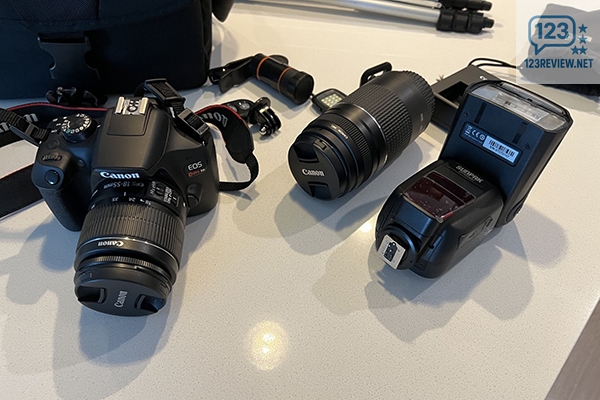
I used to carry too much gear — DSLR, extra lenses, tripod. Now it’s mostly my phone and one compact camera (a Ricoh GR III lately). The less I carry, the more I see. Simplicity makes me pay attention to composition instead of fiddling with settings.
What matters is not megapixels but mindset. When you’re traveling, every moment is fleeting — luggage wheels clattering, sunlight changing by the minute. The faster you can react, the more authentic your photos become.
Composing Without Overthinking
Most of my favorite shots happened when I wasn’t trying too hard. I tend to frame instinctively — look for lines, layers, and stories within a frame. People walking through light, street corners with overlapping textures, quiet gestures.
Sometimes, I break the “rules” on purpose — tilt slightly, crop oddly, shoot through glass or from the hip. Travel isn’t symmetrical, and your photos shouldn’t be either.
Capturing People, Not Poses
One thing I learned early on: people don’t need to be ready for the photo. I prefer photographing someone mid-movement — buying coffee, glancing at a train map, laughing off-camera.
If I’m taking portraits while traveling, I’ll talk first. A small conversation builds comfort and honesty. The photo that comes after feels less like an image and more like a connection.
The Power of Waiting
Patience is underrated in travel photography. Sometimes I’ll stand at the same corner for ten minutes just to see how life unfolds — who passes by, how the light shifts. The first frame is rarely the best one.
Travel can feel rushed, but photography rewards slowness. Waiting lets you notice things you’d otherwise miss: a cat stretching under a bench, a reflection aligning perfectly, a stranger’s silhouette completing the frame.
Editing for Mood, Not Perfection
When I edit, I’m not trying to make the photo look “better.” I’m trying to make it feel like how it felt to be there. Sometimes that means softening shadows or adding warmth; other times, pulling back saturation to keep it quiet.
I use Lightroom on my phone for quick adjustments and save VSCO for mood experiments. I keep colors honest — no turquoise skies or orange filters. Reality is interesting enough.
When to Put the Camera Down
This might sound odd, but knowing when not to shoot is part of taking good photos. I’ve learned to put my camera away during meals with friends, at sacred sites, or when a moment feels too private to frame.
Some memories are better lived than documented. Leaving space between the shots keeps photography meaningful instead of mechanical.
My Go-To Gear Setup
- Camera: Ricoh GR III or Fujifilm X100V (when I want more manual control)
- Phone: iPhone 15 Pro for quick captures and low light
- Accessories: Small wrist strap, extra SD card, microfiber cloth
- Editing apps: Lightroom Mobile, VSCO, Snapseed for small tweaks
Traveling light helps me focus on the story — not the setup.
How I Store My Travel Photos
Every trip, I create a simple folder by location and year:
“Lisbon_2024,” “Seoul_2025,” etc. Inside are subfolders for RAWs, edits, and favorites.
Once home, I make small albums for printing. Physical prints remind me that photos are meant to be held, not just scrolled.
My Verdict
Travel photography isn’t about collecting perfect scenes — it’s about paying attention. The quiet light before dawn, the way locals arrange fruit in a market, the shared laughter after getting lost.
The photos that matter most aren’t the ones that get likes; they’re the ones that still move you months later. Every trip teaches me a new way to see — and every photo, a new way to remember.
Written and tested by Chi Tran for 123Review.net.
Affiliate links may earn a commission, but opinions are my own.